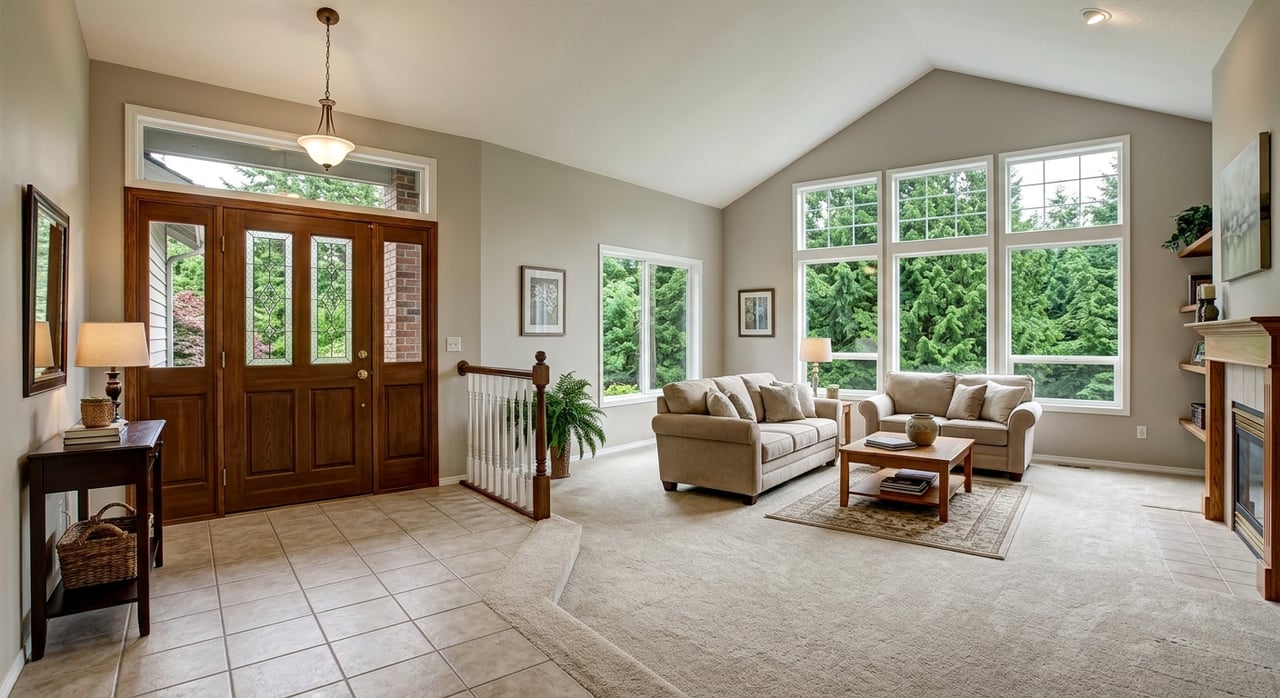
First Time Buyers in Vancouver WA: A Smart Guide
April 9, 2026
April 9, 2026
Buying your first home in Vancouver can feel exciting right up until you see how fast homes move. With homes selling in about 25 to 27 days and many getting around two offers on average, it is easy to feel like you need to rush. The good news is that you do not need to buy in a panic. You need a smart plan, a clear budget, and a good understanding of your options. This guide will walk you through what first-time buyers should know in Vancouver, Washington, so you can move forward with confidence. Let’s dive in.
Vancouver remains a fast-moving market by first-time buyer standards. According to Redfin’s Vancouver housing market data, the median sale price was $485,000 in February 2026, homes averaged about two offers, and days on market were around 27. Zillow’s Vancouver home value update also points to quick movement, with homes pending in about 25 days.
The exact figures can vary depending on the source, but the bigger message stays the same. If you are buying your first home in Vancouver, you will want to get preapproved early and decide on a monthly payment limit before you start touring homes. That helps you act quickly without stretching beyond what feels comfortable after closing.
A lot of first-time buyers focus on the listing price and down payment, but your real budget is bigger than that. You also need to think about closing costs, inspection costs, earnest money, property taxes, homeowners insurance, and any HOA dues.
The Consumer Financial Protection Bureau says closing costs typically run about 2% to 5% of the purchase price. Freddie Mac’s budgeting guidance also encourages buyers to plan for earnest money, inspection costs, and an emergency cushion after move-in. That is why the best budget is not just what a lender says you can borrow. It is the monthly number you can comfortably live with.
Before you shop, make room for:
If you build your budget this way from the start, you are less likely to feel blindsided later.
One of the biggest first-time buyer myths is that you need 20% down to buy a home. In many cases, that is simply not true.
Freddie Mac explains that qualified borrowers may be able to put down as little as 3%. The CFPB also notes that down payments can be as low as 3% in many situations. If you put down less than 20%, you will generally need private mortgage insurance, or PMI, but that can still be a practical path into homeownership.
Several programs can help make buying more accessible:
The best fit depends on your finances, eligibility, and the property you want to buy.
For first-time buyers in Vancouver, local and statewide assistance can make a meaningful difference. These programs are often what help buyers bridge the gap between renting and owning.
The Washington State Housing Finance Commission homebuyer programs include Home Advantage and House Key Opportunity. Home Advantage has a statewide household income cap of $215,000, does not require first-time buyer status, and may be used for one-unit homes, townhomes, condominiums, manufactured homes, or duplexes. House Key Opportunity is designed for first-time buyers with lower incomes, with limits that vary by county and household size.
One of the most important local resources is Clark County’s down payment assistance program. The county says qualified first-time buyers may receive up to $60,000 in assistance. The home must be priced at $600,000 or less, the assistance loan carries 2% simple interest, and buyers must complete both pre-purchase and post-purchase counseling.
Clark County also explains that buyers work with a lender to get prequalified and reserve the assistance with the home loan. If you are early in the process, the county’s homebuyer down payment assistance page also points to a free five-hour homebuyer class offered virtually or in person in Vancouver.
The Washington Homeownership Resource Center offers free homebuyer support, including help understanding pre-purchase education and down payment assistance. Its homebuyer journey resources can be useful if you are still sorting out timing, savings goals, or next steps.
A common mistake is searching all of Vancouver the same way. In reality, your home search often becomes a search for the right price band first.
Current Realtor.com neighborhood market data for the 98683 area shows a wide spread in pricing. Lower-priced areas in that dataset include Vanmall at about $310,000, Bagley Downs at $329,000, Landover-Sharmel at $374,000, Rose Village at $374,950, Northeast Hazel Dell at $402,500, and Cascade Park West at $434,950. Higher-priced areas listed in the same dataset include Downtown Vancouver at $640,000, Heritage at $739,900, and Esther Short at $937,500.
That range matters because it can shape where your budget gives you the best chance to buy. If your target payment rules out one area, it may still open doors in another. Looking at Vancouver through a price-band lens can help you stay realistic and avoid burnout.
In a fast-moving market, preparation matters more than panic. You do not need to waive every protection or chase every listing above your comfort zone.
The safer strategy is to get preapproved, compare lenders, and know your maximum monthly payment before you start making offers. The CFPB’s homebuying guidance recommends having a preapproval letter and updating your budget as you shop because rates and prices can change.
Focus on steps that improve your position without creating unnecessary risk:
The CFPB also recommends comparing Loan Estimates and reviewing your Closing Disclosure carefully. Borrowers generally receive the Closing Disclosure three business days before closing, which gives you time to check terms and ask questions.
Even if you qualify for a low down payment loan, you still need cash ready for other upfront costs. That includes earnest money, inspections, and closing expenses.
Freddie Mac’s upfront cost guide says earnest money is often about 1% to 2% of the purchase price, a home inspection commonly costs around $300 to $500, and closing costs often run 2% to 5% of the price. The same guidance notes that seller credits may sometimes help with closing costs or repairs, but those are negotiated terms, not guaranteed savings.
When you know these numbers early, you can build a cleaner savings plan and avoid scrambling once you are under contract.
If you are not sure where to begin, keep it simple. A clear sequence can make the process feel much more manageable.
This approach gives you structure, which is especially helpful in a market that moves quickly.
If you want a local guide who can help you sort through neighborhoods, pricing, and the buying process in a practical way, connect with Jacob Sanchez. You will get straightforward advice, local insight, and a plan built around your budget and goals.
Stay up to date on the latest real estate trends.
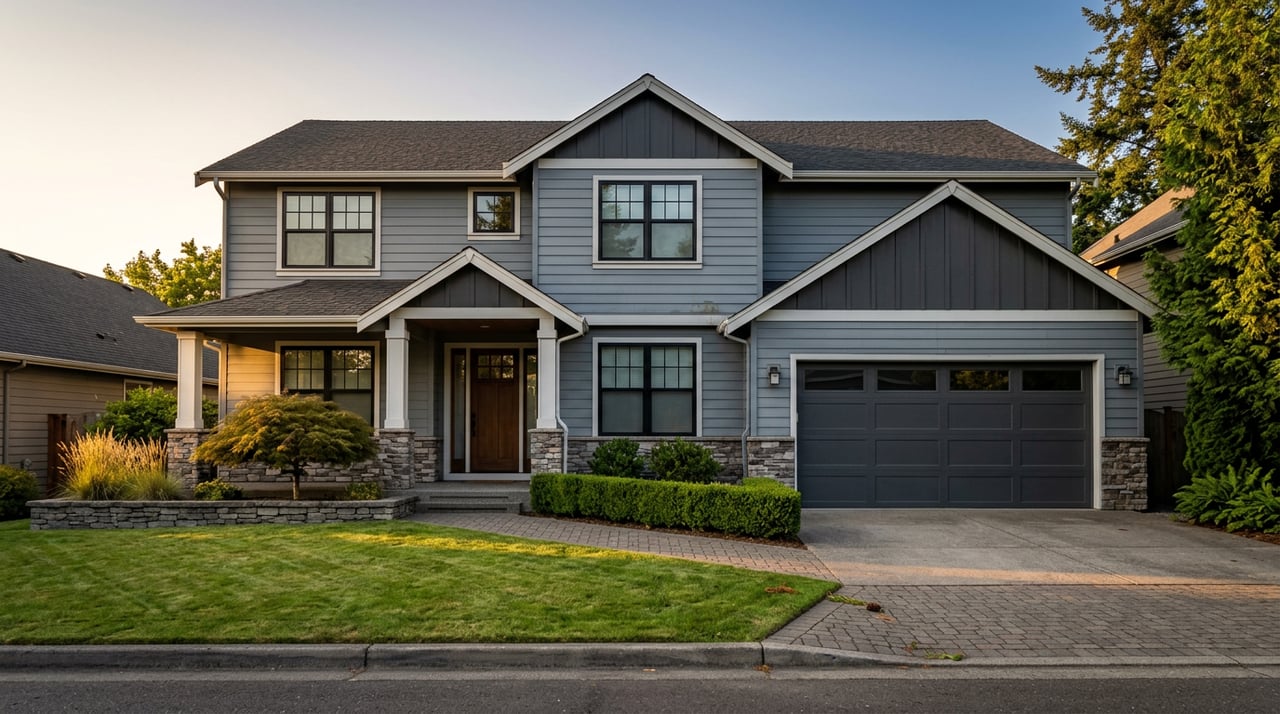
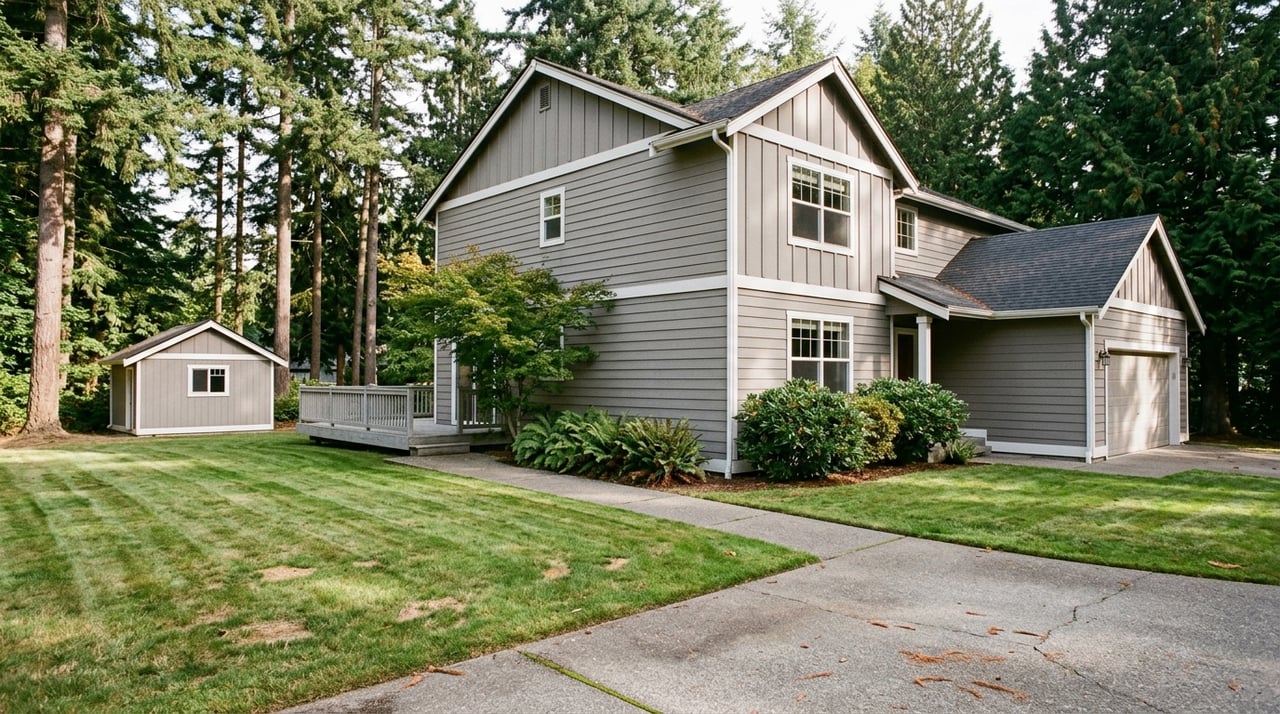
Get assistance in determining current property value, crafting a competitive offer, writing and negotiating a contract, and much more. Let me guide you through your home-buying journey.
JACOB SANCHEZ
ADDRESS 3706 NW 127TH ST VANCOUVER WA 98685