Trying to choose between Vancouver, WA and the Portland suburbs can feel like comparing apples to fir trees. You want value without surprises, a commute that works, and a neighborhood that fits your life. This guide breaks down prices, taxes, commutes, schools, and day-to-day lifestyle so you can make a confident call. You’ll see where your money goes further, what ongoing costs to expect, and how to test-drive each option before you buy. Let’s dive in.
Market snapshot: prices and value
Vancouver at a glance
Recent city-level metrics place typical Vancouver home values around $490k to $500k, with short-term median sale prices in the low to mid $480k range. Clark County as a whole runs higher in some reports because of pricier areas like Camas and Ridgefield. When comparing, keep city versus county medians straight so you do not mix different geographies.
Vancouver often stretches a budget relative to many central Portland suburbs. You will still find neighborhoods above the city median, especially downtown and along the redeveloped waterfront where newer condos and infill homes command premium pricing.
Portland suburbs at a glance
Portland’s suburbs vary a lot by city and neighborhood. As broad benchmarks, recent medians show Beaverton around the mid $500s, Hillsboro around the low $520s, and Gresham from the high $460s to high $480s depending on area and home type. Premium suburbs like Lake Oswego often run well above $700k to $900k.
The key takeaway is range. Some suburbs cost more than Vancouver, some are similar, and a few can be lower. Neighborhood selection and home condition drive outcomes as much as city lines.
How far your dollar goes
- Vancouver often offers bigger lots or newer construction for the price compared with many closer-in Oregon suburbs.
- Outer Oregon suburbs like parts of Gresham can look similar on price to Vancouver, while Lake Oswego and West Linn skew higher.
- Compare neighborhoods and home types side by side, not just city names. Micro-markets can beat or lag broad medians.
Taxes and recurring costs
Taxes shape your monthly budget as much as price. Here are the major differences to plan for.
Income tax
- Washington currently does not levy a broad personal income tax on wages. Oregon does and its top marginal rate is 9.9% for higher earners. This is the biggest structural difference for take-home pay if you live in Oregon.
- Washington now collects a capital gains excise tax with tiered rates and recent updates. The policy landscape continues to evolve, so it is smart to confirm current rules on the state site. You can review the latest on the state’s capital gains excise tax on the Washington Department of Revenue’s notice about tiered rates.
For current details, see Washington’s update on capital gains excise tax tiered rates.
Sales tax
- Washington charges sales tax on most retail goods. Vancouver’s combined rate is around 8.8% and can vary by ZIP, so check your exact location before large purchases. See the Vancouver sales tax rate overview.
- Oregon has no general sales tax, which some households factor into big-ticket shopping.
Property tax
- Effective property tax rates sit near the U.S. midrange in both states, but local levies make bills vary by district.
- In Clark County, you can learn how levies work and look up specific addresses on the Clark County Assessor’s property tax page.
Practical steps to compare monthly costs:
- Price the same style of home in each target area, then add your mortgage estimate.
- Pull a property tax estimate for a sample address through county assessor tools.
- Add estimated commute costs, including gas, parking, and any future tolls.
- For Oregon scenarios, include state income tax on your expected wages. For complex situations, talk with a tax professional.
Commutes and getting around
Average commute times are similar on paper, but your exact route matters. U.S. Census data shows mean travel time to work at about 25.2 minutes for Clark County and about 25.0 minutes for Multnomah County. Real-world results depend on where you live and when you drive.
- I-5 and I-205 bridges are the daily choke points between Washington and Oregon. Test your commute at the time you would actually travel.
- Tolling related to the Interstate 5 bridge replacement has been discussed and delayed, with scenarios ranging from roughly a dollar and change to several dollars each way during planning. Plans and dates can change, so confirm the latest before you budget. See OPB’s coverage of the I-5 tolling delay.
- Transit is a real option. C-Tran runs local service, park-and-ride routes, and weekday express trips into Portland and connects with TriMet. You can learn how to ride and about the regional Hop fare system on C-Tran’s visitor guide.
Tips:
- If you will live in Vancouver and work in Oregon, look at both I-5 and I-205 patterns.
- If your work is in Washington County, compare Beaverton or Hillsboro locations with east Vancouver and Camas to balance commute and price.
- Always test drive times during peak hours and consider parking costs.
Schools and programs
School options vary by district and neighborhood. In Clark County, common comparisons include Vancouver Public Schools, Evergreen Public Schools, Camas School District, and Battle Ground. Districts offer a mix of programs, from STEM and arts to career technical education.
- As one example, Fort Vancouver High School highlights International Baccalaureate and CTE options. You can review its performance data and program details on the Fort Vancouver High School performance page.
- In Oregon, families often look at Portland Public Schools, Beaverton, Hillsboro, Lake Oswego, and Gresham-Barlow. Performance differs by school.
If schools are a priority, start with exact boundary lookups for each target address and the official state report cards for those schools. Then visit campuses and neighborhoods. Do not assume a district average reflects the school your child will attend.
Lifestyle and housing stock
Vancouver
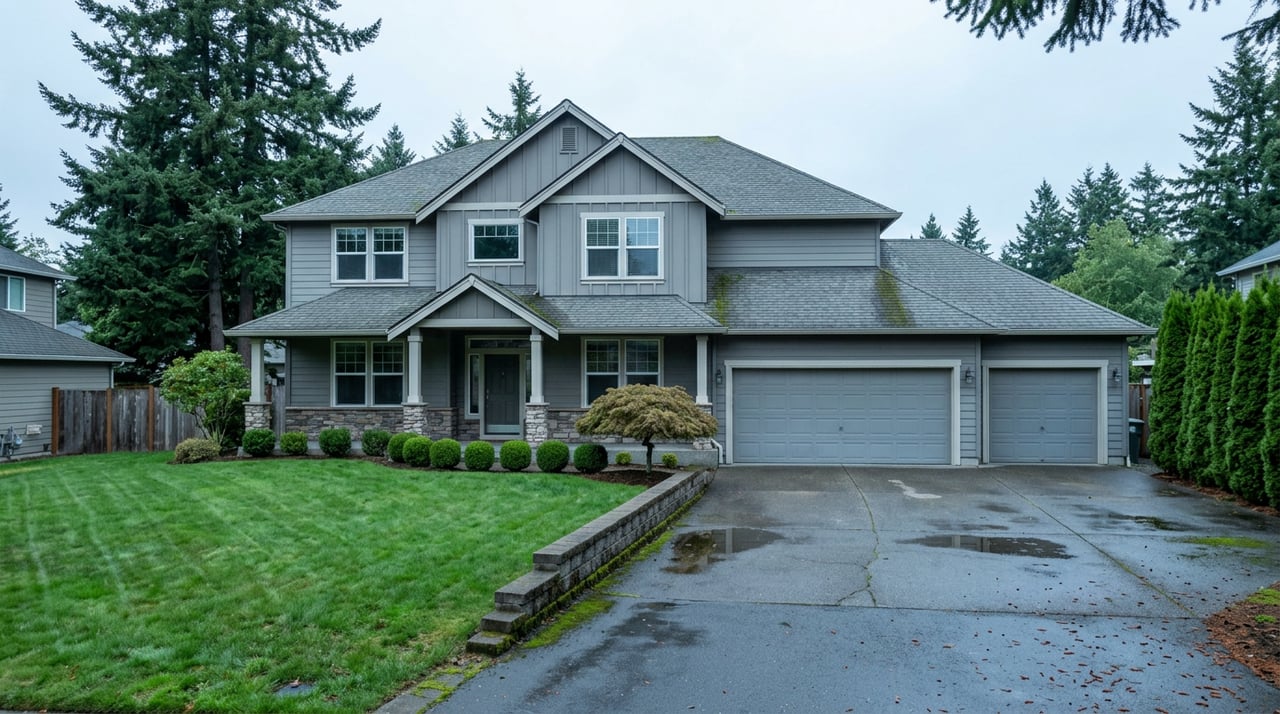
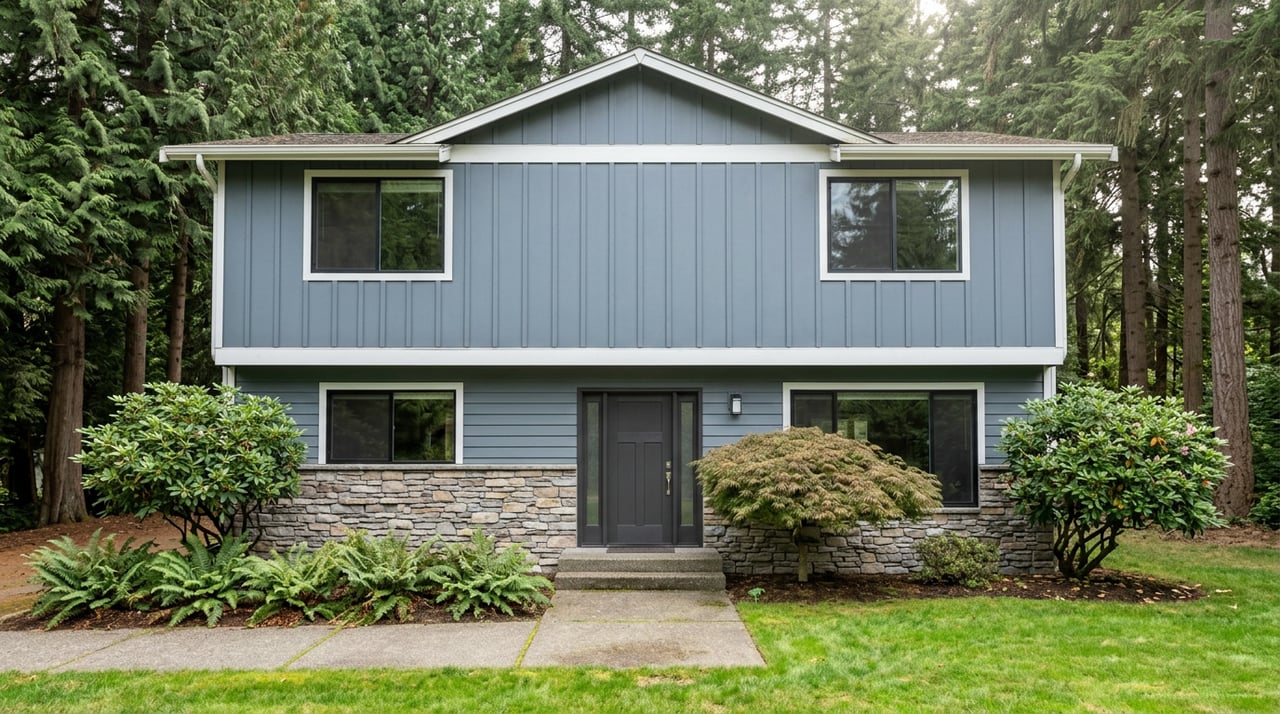
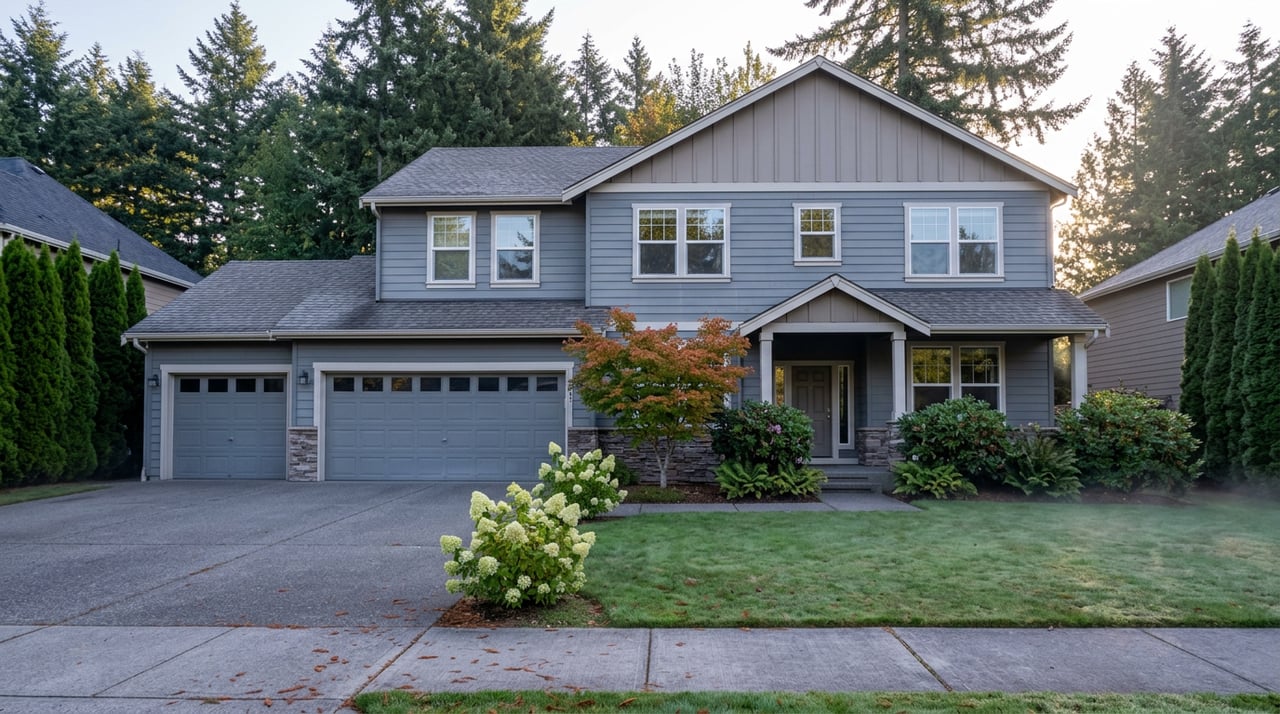
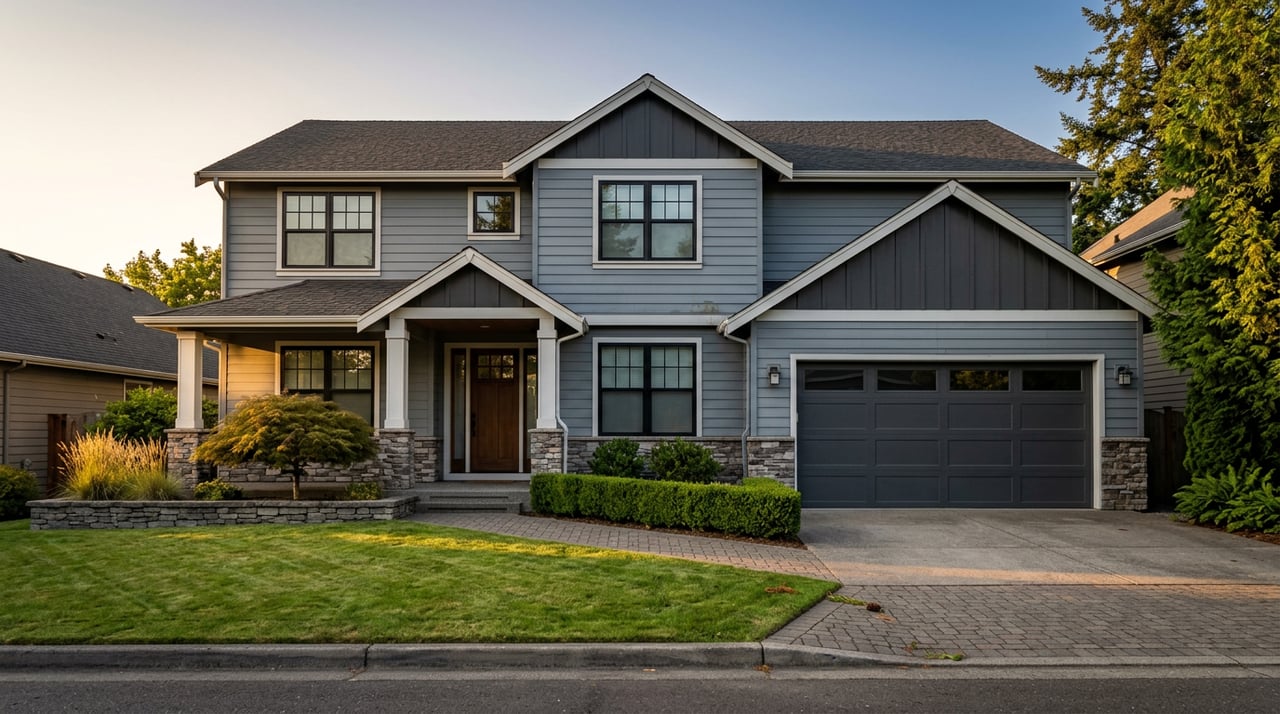
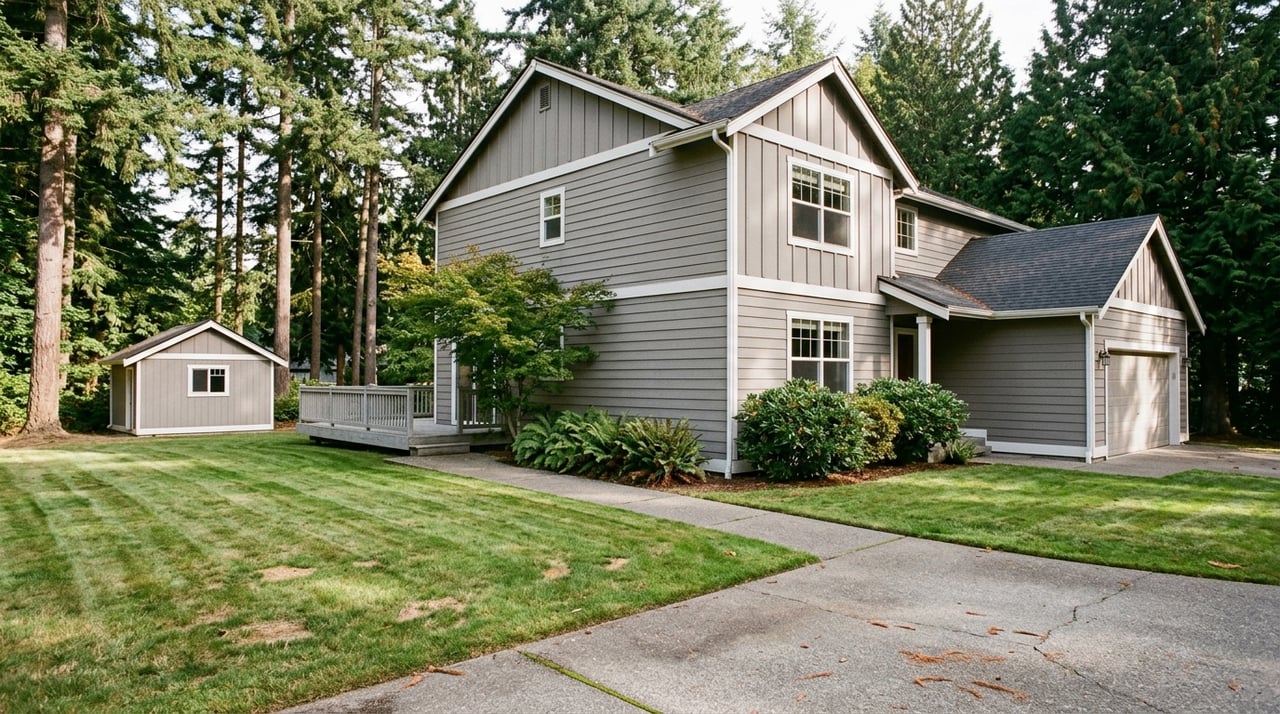
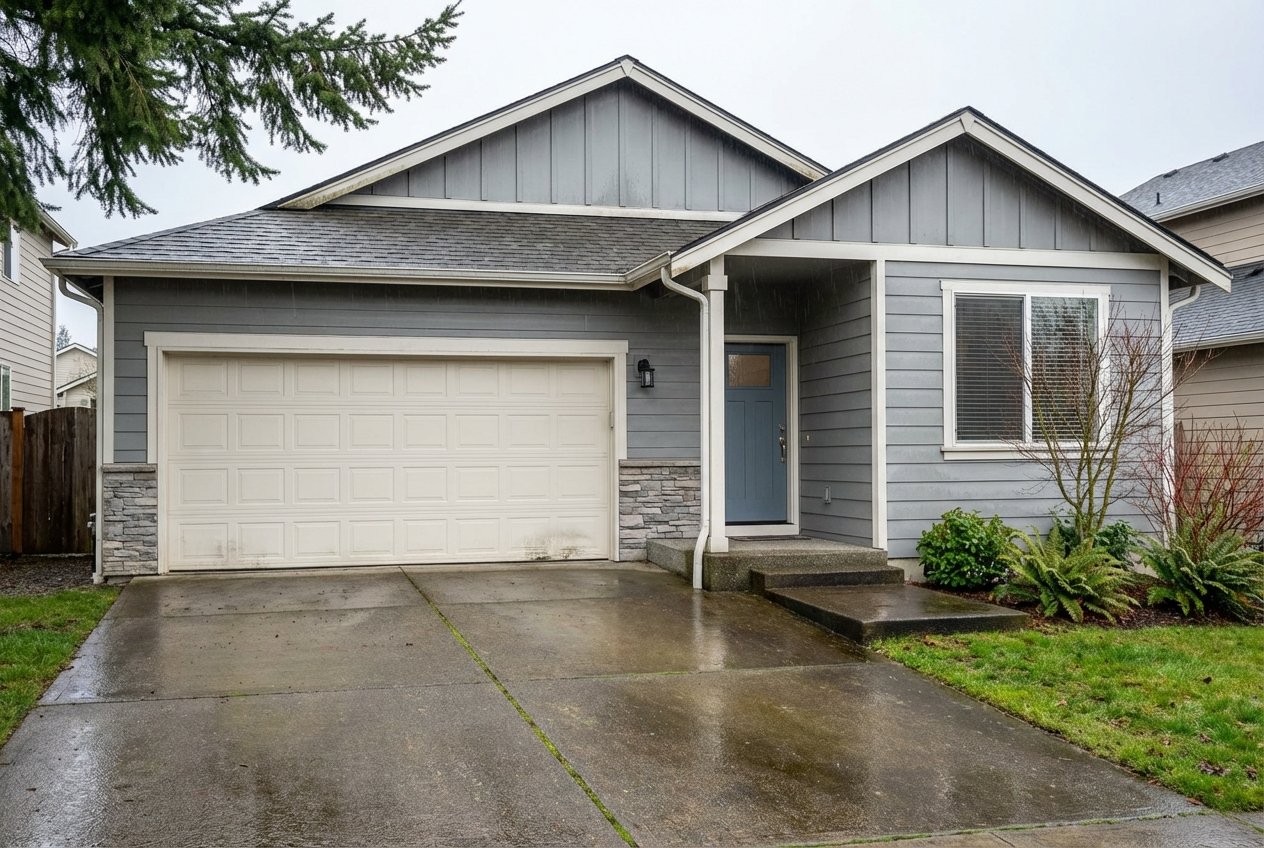
Vancouver blends older city neighborhoods with tree-lined streets and a growing waterfront district with newer condos and dining. East Vancouver, Salmon Creek, and Felida offer newer subdivisions and larger lots that appeal to buyers who want space and value. Many shoppers choose Vancouver for Washington’s tax structure, access to Portland amenities, and a price point that can stretch a budget.
Portland suburbs
Portland’s suburbs range from walkable pockets in Beaverton and Tigard to park-rich, upscale areas like Lake Oswego and West Linn. Transit access is stronger in some inner suburbs, while outer areas are more car dependent. Lot sizes, home age, and commute options can change street by street.
Cross-border homebuyer checklist
Which fits you better
Choose Vancouver if you want strong value, access to the Portland metro, and Washington’s tax setup. Pick an Oregon suburb if your job, school preferences, or daily routines benefit from being on that side of the river. Many buyers compare a short list of Vancouver neighborhoods with one or two Oregon suburbs to find the best balance of price, commute, and lifestyle.
If you want a clear, side-by-side view using your actual numbers, let’s map it out. As a dual-licensed agent in Washington and Oregon, I can help you price target homes, estimate monthly costs, and pressure test commutes so you buy with confidence. Connect with Jacob Sanchez to compare neighborhoods, refine budgets, and tour homes on both sides of the river.
FAQs
What are the biggest cost differences between Vancouver and Portland suburbs?
- Washington has no broad tax on wage income and charges sales tax, while Oregon taxes wages and has no general sales tax, and both states sit near the U.S. midrange for property taxes.
How do Vancouver home prices compare to Beaverton, Hillsboro, and Gresham?
- Vancouver’s typical values often sit near $490k to $500k, Beaverton is commonly in the mid $500s, Hillsboro near the low $520s, and Gresham varies from the high $460s to high $480s.
Will I pay a toll to cross the I-5 bridge if I live in Vancouver and work in Portland?
- Tolling has been discussed and delayed as part of the I-5 bridge replacement funding, with scenarios under review, so check current plans before budgeting.
Are Vancouver schools better or worse than Portland-area schools?
- School performance varies by district and by school, so verify exact school boundaries for an address and review state report cards, then visit campuses to assess fit.
Does Washington’s capital gains excise tax affect typical homebuyers?
- Washington’s capital gains excise tax is separate from wage income and applies under specific conditions, so review the state’s guidance and consult a tax professional for your situation.
Is transit a realistic alternative to driving from Vancouver to Portland?
- Yes, C-Tran runs express routes and connects with TriMet, and many commuters pair park-and-ride options with the regional Hop fare system to avoid peak bridge traffic.