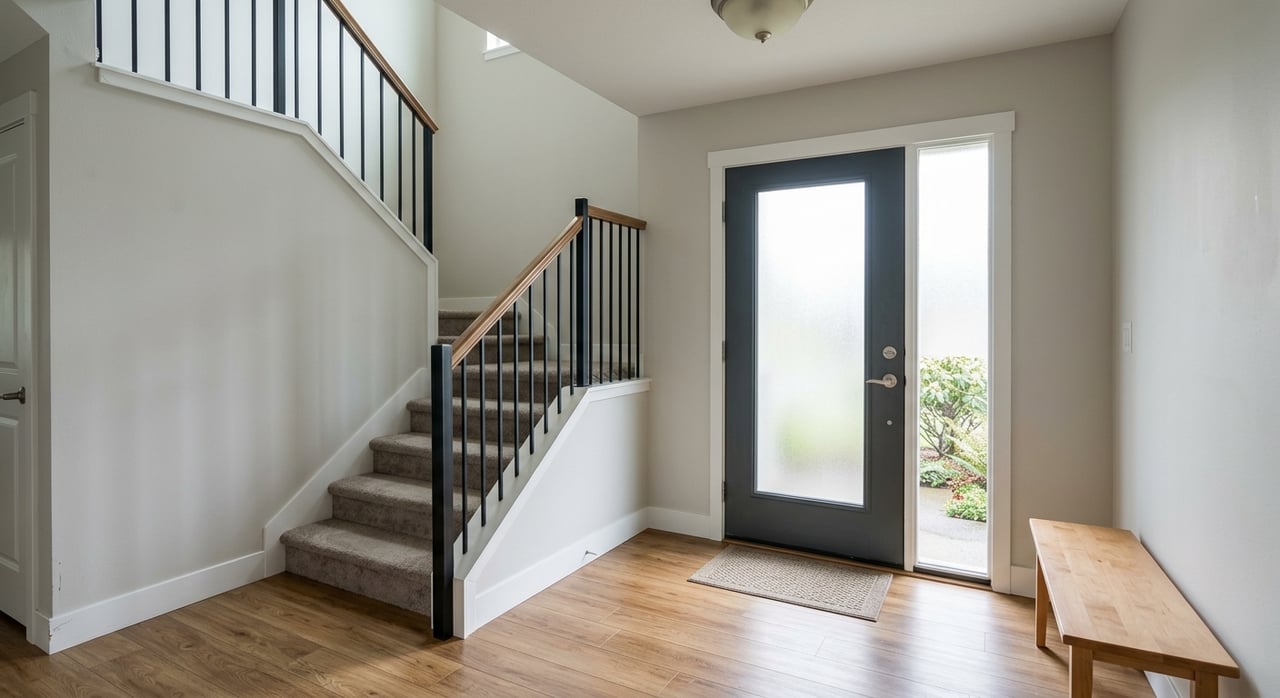
Sell and Buy in Battle Ground Without the Stress
June 4, 2026
June 4, 2026
Trying to sell your current home and buy the next one in Battle Ground at the same time can feel like juggling two deadlines with your money, your moving plans, and your sanity on the line. If you are worried about carrying two homes, making a weak offer, or ending up without a place to land, you are not overthinking it. The good news is that with the right sequence and a real backup plan, you can make a same-market move with a lot less stress. Let’s dive in.
Battle Ground is active, but it is not a market where you can assume every home will sell instantly or every offer will win on the first try. Recent data shows homes selling in roughly a few weeks to a month and a half, with some properties getting about two offers on average. That means timing still matters, even if the market is not at peak frenzy.
You will also see different price figures depending on the source. One recent tracker put the median sale price in the mid-$500,000s, while another estimated typical home values a bit above $610,000. Those are different measurements, so the smart takeaway is not to fixate on one exact number. It is to plan around your specific price point, timeline, and financing.
If you want to sleep better during a same-time move, start with financing before you make a hard plan. A preapproval letter helps show that your financing is likely, and sellers often want to see one before accepting an offer. It is not a final loan guarantee, but it gives you a much clearer starting point.
This step also helps you understand how much flexibility you really have. If your next purchase depends heavily on the equity from your current home, that shapes every decision that follows. It is also wise to compare official Loan Estimates before you choose a lender, so you can weigh costs and terms with clear numbers.
Before you list or write an offer, decide which side of the move is driving the calendar. For some homeowners, the sale comes first because they need the proceeds for the next down payment. For others, the purchase matters more because they have found a home they do not want to miss.
That one decision affects your strategy. Once you know whether your sale or your purchase is leading the move, you can choose the least risky path instead of reacting under pressure.
A home-sale contingency is the classic option when you need your current home to sell before your purchase can fully move forward. It can protect you from buying before your equity is available. For many sellers, that peace of mind is a big deal.
The tradeoff is competitiveness. Sellers often prefer cleaner offers, and contingencies can make your offer less attractive. In a Battle Ground market where some homes still receive multiple offers, this route works best when paired with a realistic deadline and a clear backup plan.
A rent-back can help when you sell first but need a little more time before moving into your next home. In simple terms, you close the sale of your current house and stay in it for a short period under a written agreement with the buyer. This can be one of the cleanest ways to avoid a rushed double move.
In Washington, the rules matter. Under state law, this type of post-closing seller occupancy can stay outside the Residential Landlord-Tenant Act only if the written agreement meets specific conditions and the stay is no more than three months after closing. If the arrangement goes longer, or the conditions are not met, different legal rules may apply.
That makes documentation especially important. If a rent-back is part of your plan, it needs to be structured carefully and early, not treated like a casual side agreement at the last minute.
Sometimes the simplest backup plan is temporary housing. If the buyer wants your home vacant at closing, or your next home is not ready yet, a short rental can bridge the gap without forcing a rushed purchase.
In Battle Ground, a useful local benchmark for rent is about $2,148 per month based on recent asking rent data. Your actual cost may vary, but that number gives you a realistic planning baseline. Even if you never use the backup, knowing what it could cost helps you make better choices on price, timing, and negotiations.
Bridge financing can be useful if you have enough equity in your current home and strong financial qualifications. It may let you tap equity before your existing home sells, which can help you buy without a home-sale contingency. For the right seller, that can create more flexibility and a stronger offer.
This is not a one-size-fits-all fix. Lenders look at factors like income, assets, debts, employment, and credit when deciding whether you can repay the loan. In other words, bridge financing can solve a timing problem, but only if the numbers support it.
Do this before you commit to listing dates or shopping seriously. You need to know your borrowing power, your monthly payment comfort zone, and whether you will need proceeds from your current home.
Decide whether selling first or buying first makes more sense for your household. That choice should reflect your equity position, your cash reserves, and how much timing risk you are comfortable taking.
Choose your fallback before you need it. That might be a contingency, a rent-back, a short-term rental, or bridge financing. The goal is to remove panic from the process.
Once the pieces are clear, structure your sale and purchase around the least risky mix of terms. In some cases that means a cleaner offer with bridge financing. In others, it means accepting a contingency or budgeting for temporary housing to protect your finances.
There is no universal right answer for Battle Ground homeowners. If you need the equity from your current home to fund the next purchase, selling first or using a home-sale contingency may be the safer move. If you have enough financial flexibility, buying first can reduce moving stress and give you more control.
What matters most is matching the plan to your real numbers. A strategy that looks great on paper can become stressful fast if it depends on perfect timing. The best moves usually come from honest planning, not optimism alone.
You cannot control every date, but you can reduce the chaos. The key is to make decisions in the right order and avoid getting emotionally committed before the logistics make sense.
A few practical ways to keep the process calmer:
Battle Ground is a distinct market within Clark County, and small timing mistakes can have a ripple effect. A market that is active but not overheated rewards preparation more than guesswork. If your plan depends on selling and buying in a tight window, details like offer terms, occupancy timing, and fallback housing matter a lot.
That is where a practical, local approach helps. You want a plan that balances pricing, negotiation strength, and real-life logistics, not just a best-case scenario. The less you leave to chance, the easier it is to move forward with confidence.
If you are planning a same-market move in Battle Ground, working through the timeline before you list or write an offer can save you money, stress, and rushed decisions. Jacob Sanchez can help you map out the cleanest strategy for your sale, your purchase, and your backup plan.
Stay up to date on the latest real estate trends.
Get assistance in determining current property value, crafting a competitive offer, writing and negotiating a contract, and much more. Let me guide you through your home-buying journey.
JACOB SANCHEZ
ADDRESS 3706 NW 127TH ST VANCOUVER WA 98685