Woodland WA Outdoor Living and Home Options
February 12, 2026
February 12, 2026
Craving more space, quick access to water and trails, and a small-town feel without giving up metro access? If you’re eyeing Woodland in Cowlitz County, you’re in the right spot. You want room to live and play, plus a home that fits your lifestyle and budget. In this guide, you’ll learn how Woodland’s rivers, forests, and housing options line up with your goals, and what to check before you buy or sell. Let’s dive in.
Woodland sits within day-commute range of the Portland–Vancouver metro, yet it keeps a relaxed, small-city pace. The area’s identity is tied to the Lewis River, forested hills, and easy weekend access to major public lands. If you want to fish in the morning and be home for dinner, this is your kind of place.
The Lewis River corridor is a local favorite for boating, kayaking, and seasonal fishing, including salmon and steelhead where allowed. You can confirm seasons, species, and license rules on the WDFW fishing seasons and regulations page. Upstream reservoirs like Lake Merwin and Yale Lake draw weekend crowds for camping and water sports when the weather cooperates.
You’re also within day-trip reach of the Gifford Pinchot National Forest and the Mount St. Helens National Volcanic Monument. These areas offer hiking, viewpoints, visitor centers, and winter recreation when conditions allow. For current trail info and closures, check the Forest Service pages above and the Washington Trails Association hiking guide.
Seasonal shifts matter here. Reservoir levels, fish runs, and river conditions change through the year. Winter weather can limit access to higher-elevation trailheads and mountain roads. Always check conditions before you head out.
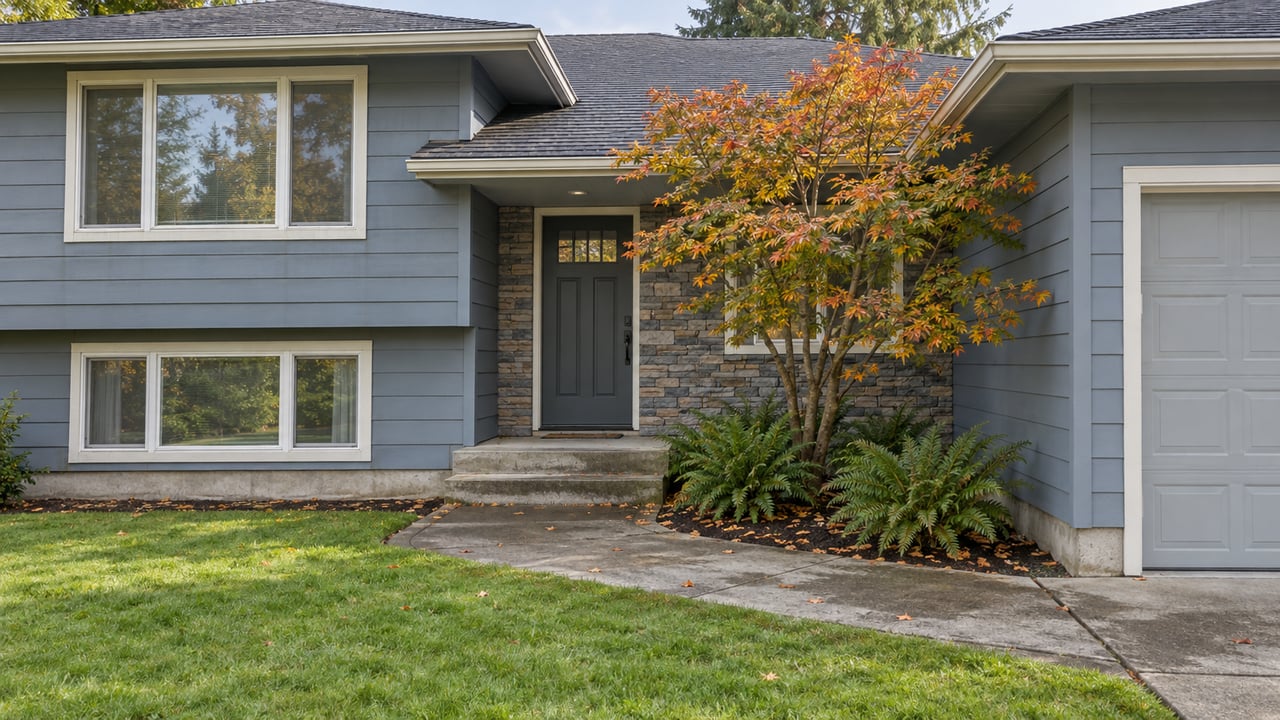
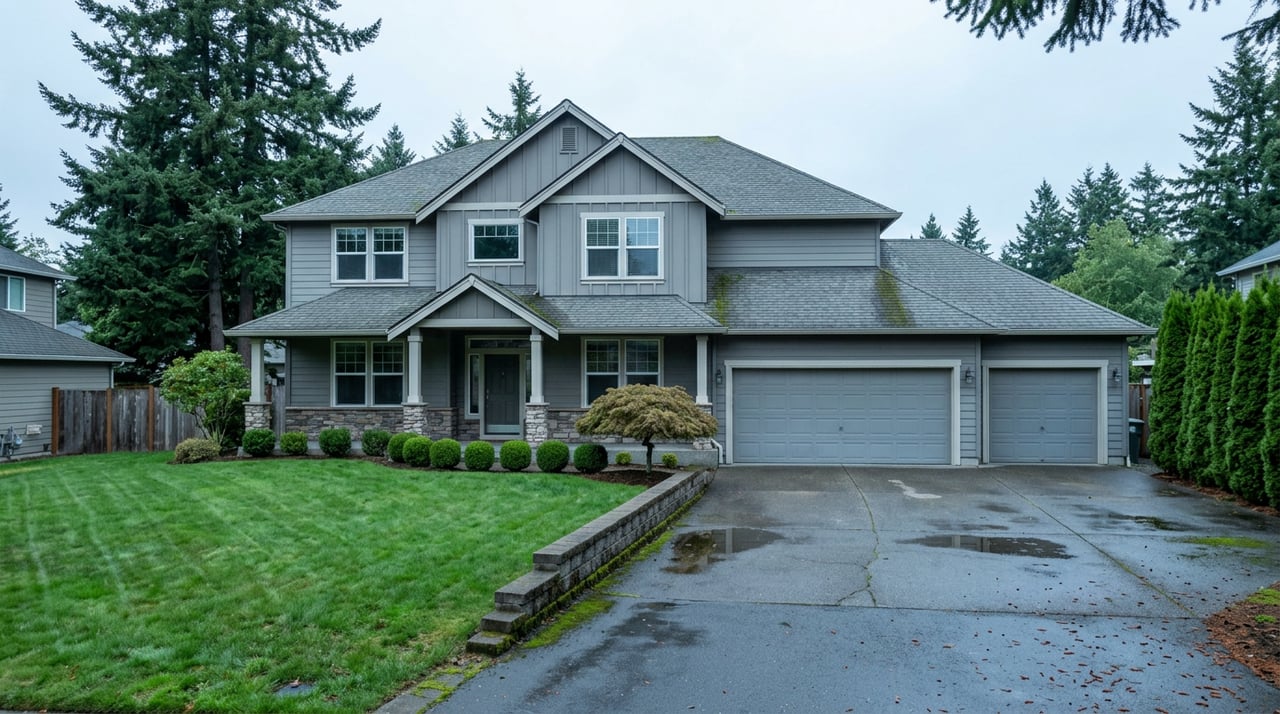
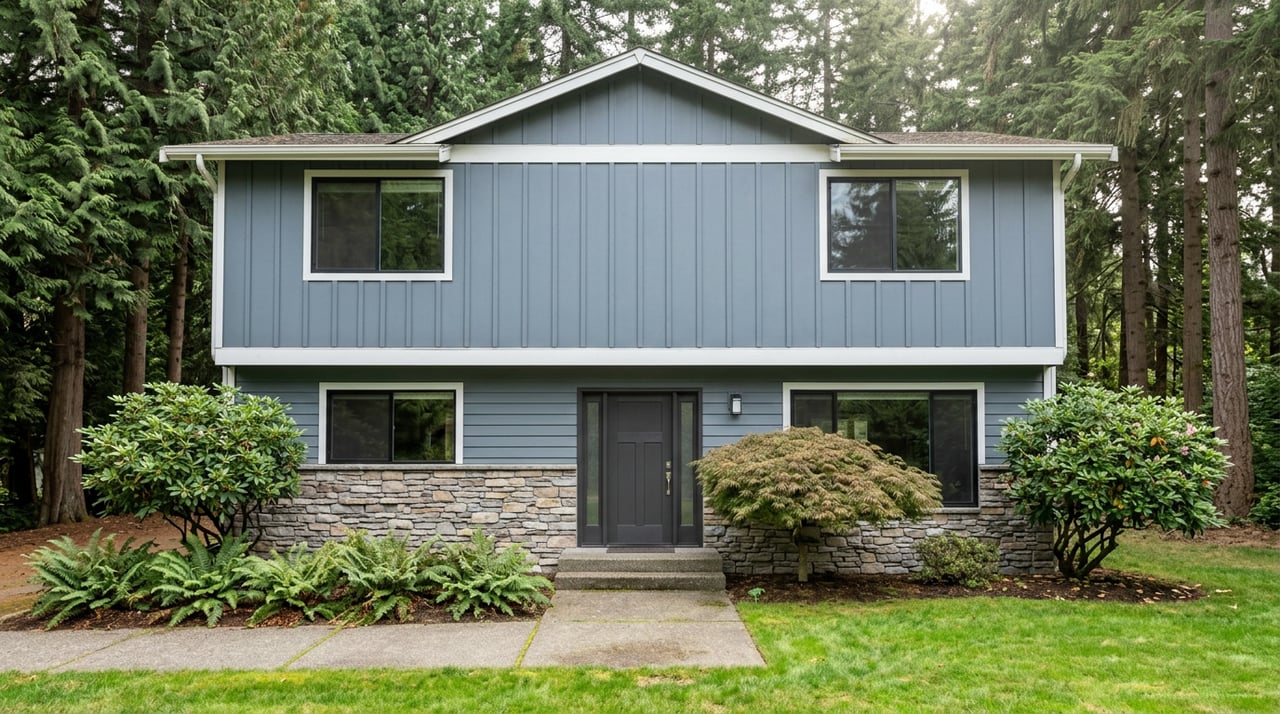
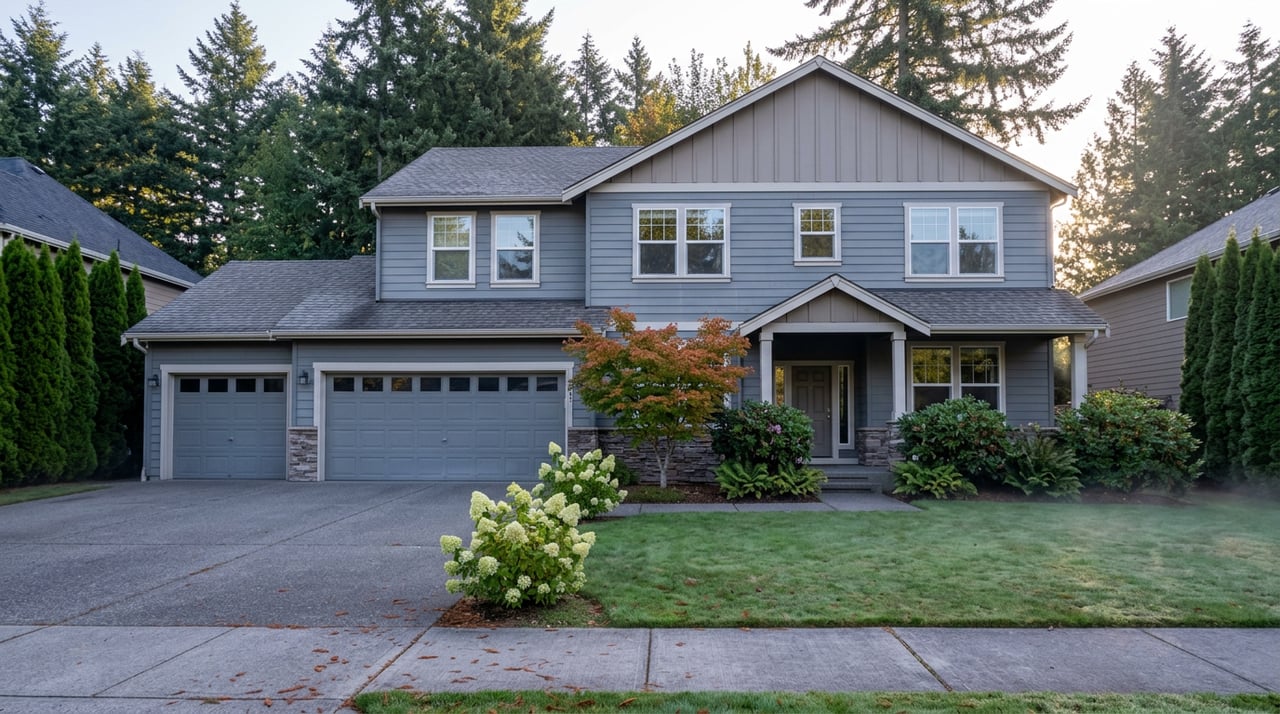
Woodland offers a mix of in-town homes, newer subdivisions, rural acreage, and river-oriented properties. Your best fit depends on how you balance convenience, privacy, maintenance, and budget.
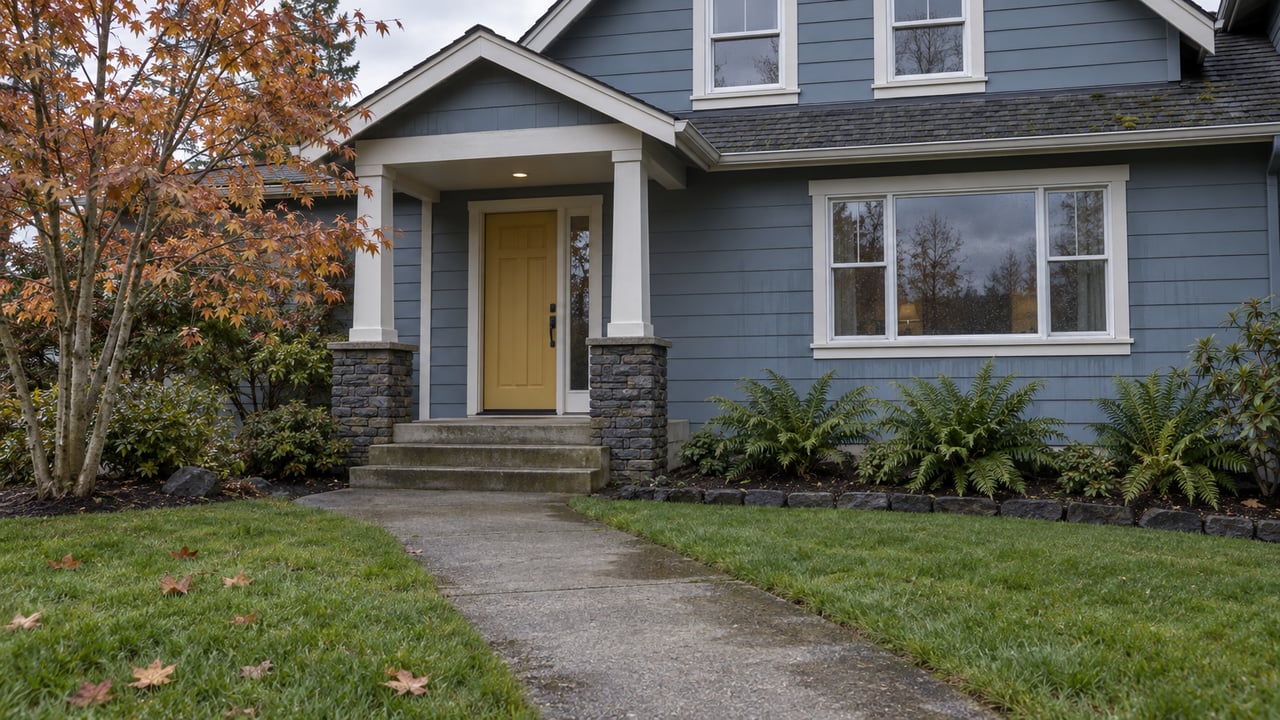
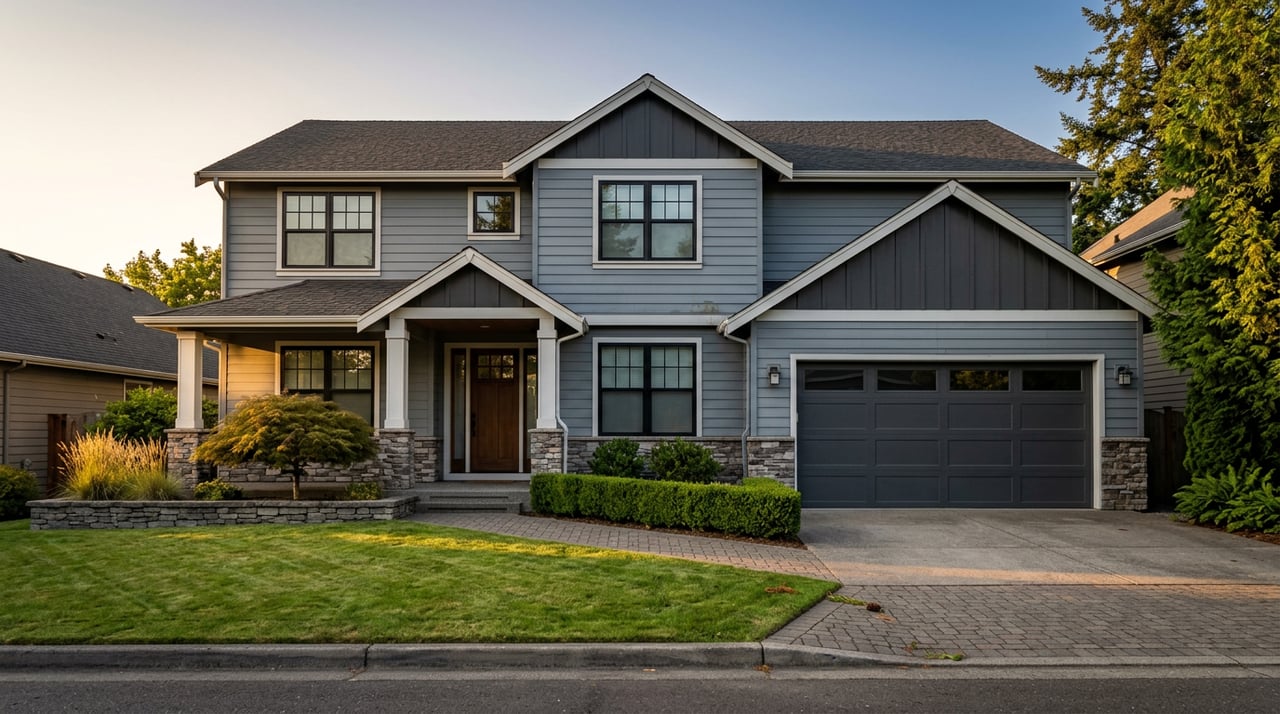
You’ll find early 20th-century bungalows, Craftsman styles, and post-war homes on small lots, plus some infill and modest new construction. In-town parcels typically tie into municipal water and sewer, which can simplify permitting, inspections, and financing.
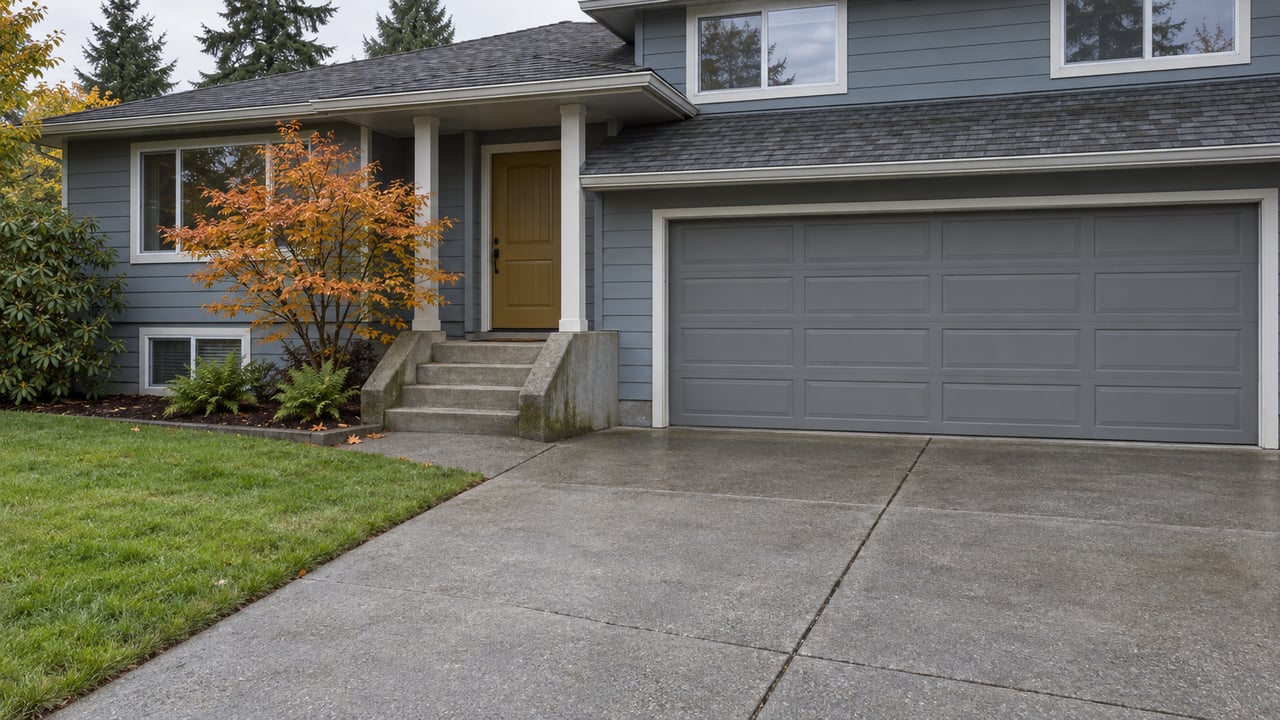
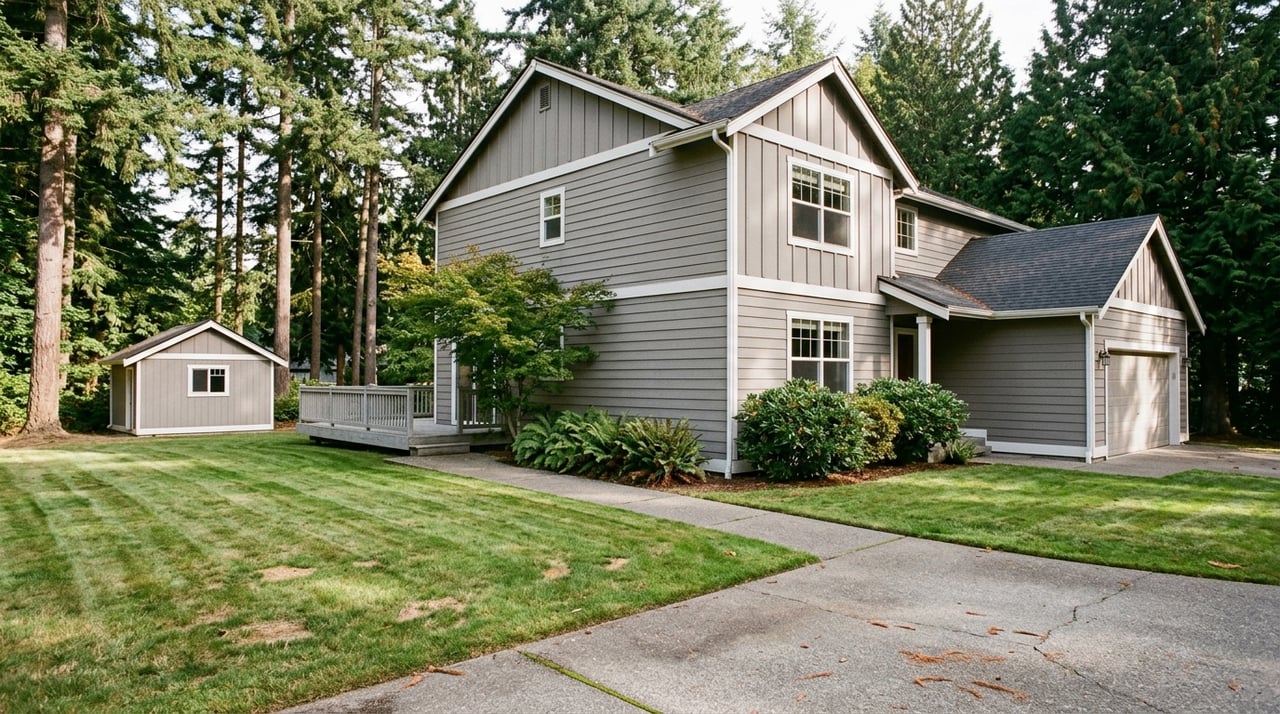
Around the city edge, you’ll see newer single-family homes and small developments. Lots are usually larger than older in-town blocks, giving you a bit more elbow room while keeping services close.
Outside city limits, larger parcels support gardens, outbuildings, pastures, or equestrian use. Acreage living brings privacy and flexibility, though you’ll often rely on a private well and septic system. This setup can be ideal if you want space for projects or a small agricultural operation.
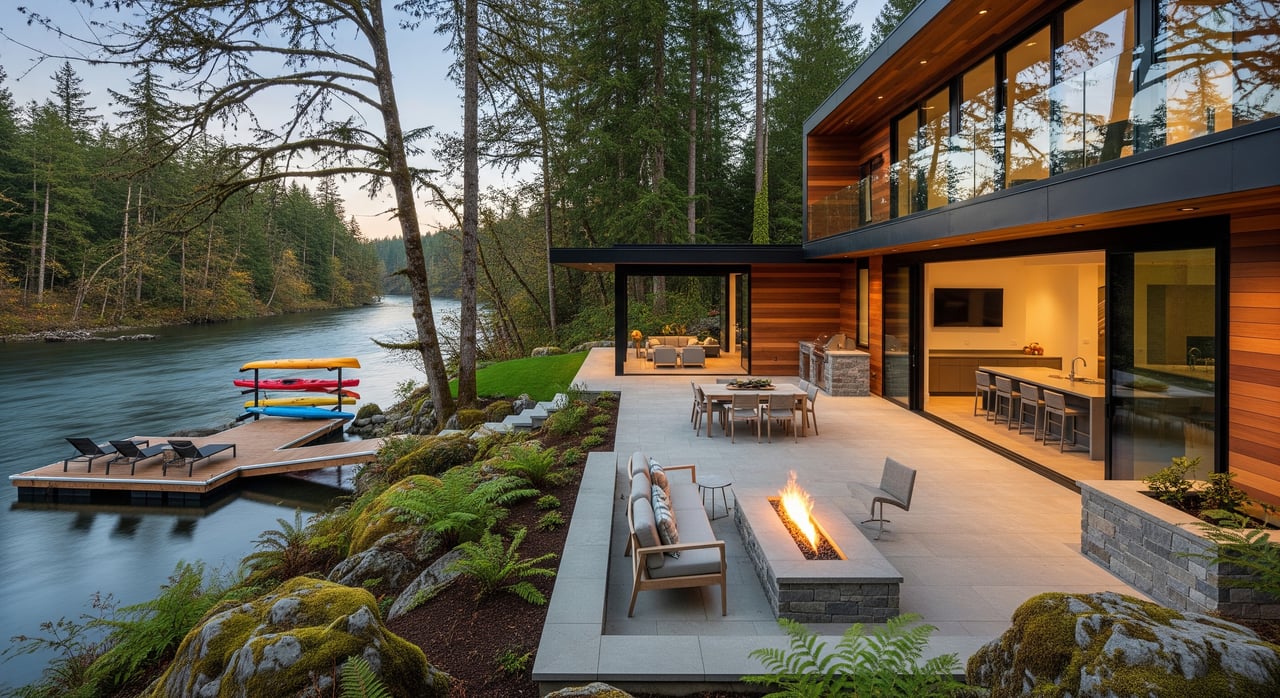
Cabins and homes along the Lewis River and near upstream reservoirs appeal to anglers and boaters. These properties can be unique and scenic. They may also sit in riparian areas or mapped floodplains, so you’ll want to verify buildability, flood insurance needs, and shoreline rules ahead of time.
As in many small Pacific Northwest communities, manufactured homes and parks are part of Woodland’s mix. These can be a cost-efficient entry point or a way to prioritize land size over house size, depending on your goals.
Understanding the systems that support a property will help you plan budgets and future projects.
Most in-town homes connect to municipal water and sewer. Rural acreage often uses a private well and an on-site septic system. If you’re looking outside city limits, confirm well logs, pump capacity, and septic permits. Ask for recent tests and service records to understand ongoing maintenance and replacement timelines.
Internet and cell service can vary by valley and ridge. If you work remotely, confirm coverage with providers that serve the area and the Washington State Broadband Office resources. Knowing your options before you write an offer can save time and stress.
Rural roads can be public or private. Confirm who maintains the road, winter plowing plans, and any shared maintenance agreements. This affects your daily routine and long-term costs.
Where a property sits determines which rules apply. Inside city limits, Woodland handles zoning and permits. Outside city limits, Cowlitz County rules apply, including Urban Growth Area boundaries that may affect development potential.
Critical areas like wetlands, riparian buffers, and steep slopes can limit buildable area or trigger extra permits. For flood risk, use the FEMA National Flood Hazard Layer viewer and follow up with local planning staff for parcel-specific guidance. For shoreline questions, the Washington Department of Ecology Shoreline Master Program outlines how buffers and permits work across the state. If a property is near forest edges, review Washington DNR wildfire safety guidance and talk with your insurer about coverage.
Permits for wells and septic systems are handled at the county level. Plan your timeline accordingly if you hope to build or expand. When in doubt, ask planning and health departments for the most current rules.
Both lifestyles are popular around Woodland. The right fit comes down to maintenance, privacy, and cost of ownership.
If you plan to host guests or earn extra income, ask the city about accessory dwelling unit rules and short-term rental regulations. If you prefer quiet and room to roam, acreage may deliver the lifestyle you want.
Locals build weekends around water and woods. In spring and fall, anglers track runs and check WDFW regulations before heading out. In summer, families take to Lake Merwin and Yale Lake for boating and swimming. Year-round, hikers lean on WTA’s hiking guide and the Gifford Pinchot National Forest for trail ideas, with a bonus stop at Mount St. Helens National Volcanic Monument for views and visitor centers when open.
Winter brings shifts in access and road conditions, especially at higher elevations. Check Forest Service updates and prepare for snow or ice if you plan a cold-season adventure.
Use these quick checks to focus your search and avoid surprises.
Today’s Woodland buyers want both lifestyle and practicality. Help them see how your home delivers.
Woodland offers a rare blend of outdoor freedom and small-city convenience. If you want guidance on the tradeoffs between in-town homes, acreage, and riverfront living, you deserve advice grounded in permits, utilities, and real market conditions. Connect with Jacob Sanchez to compare options, line up inspections and permits, and get your instant home valuation.
Stay up to date on the latest real estate trends.
Get assistance in determining current property value, crafting a competitive offer, writing and negotiating a contract, and much more. Let me guide you through your home-buying journey.
JACOB SANCHEZ
ADDRESS 3706 NW 127TH ST VANCOUVER WA 98685