Living in Ridgefield WA: Pros, Cons & Costs
January 22, 2026
January 22, 2026
Thinking about moving to Ridgefield but not sure if it fits your life and budget? You are not alone. This small Clark County city mixes new neighborhoods, a historic downtown, and big outdoor access, which makes it appealing. In this guide, you will get clear pros, cons, and real-world cost factors so you can decide with confidence. Let’s dive in.
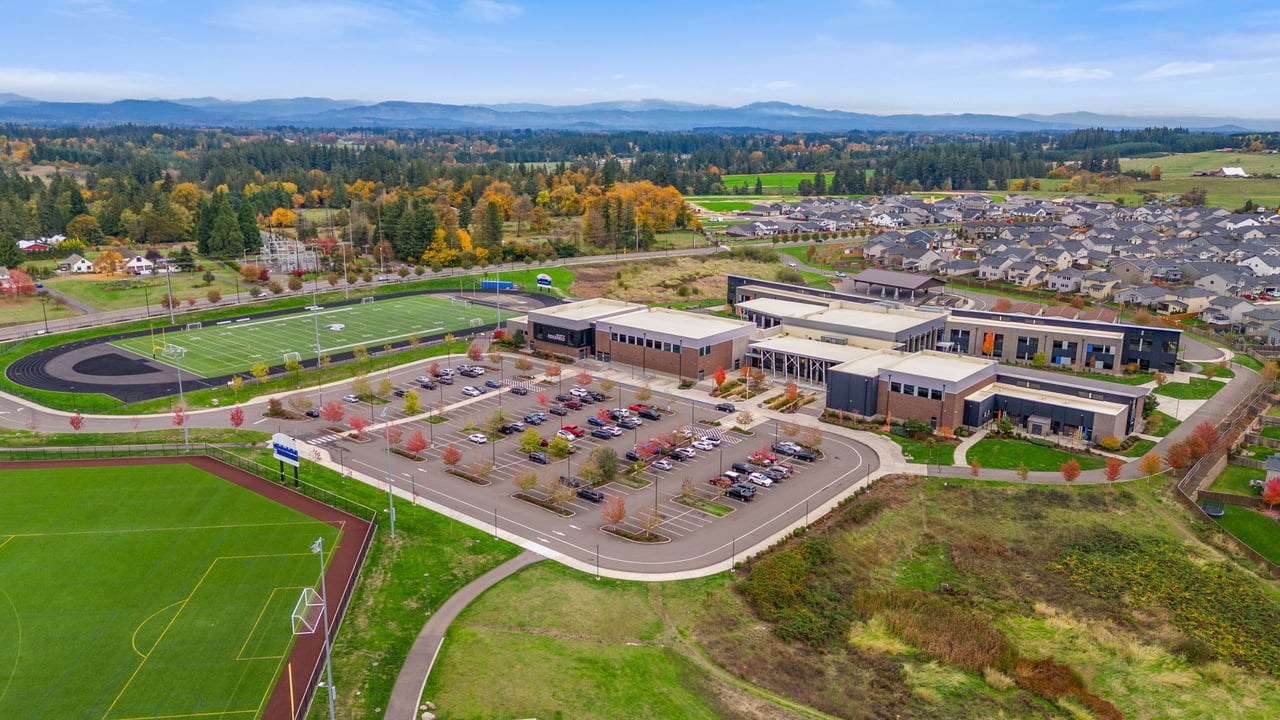
Ridgefield sits north of Vancouver, within commuting reach of the Portland metro area. You get a small-town pace with newer subdivisions alongside older homes and rural acreage. Many residents choose Ridgefield for access to nature, especially the Ridgefield National Wildlife Refuge, plus newer housing and community parks. The tradeoff is longer peak-hour commutes and fewer large retail and medical options in town.
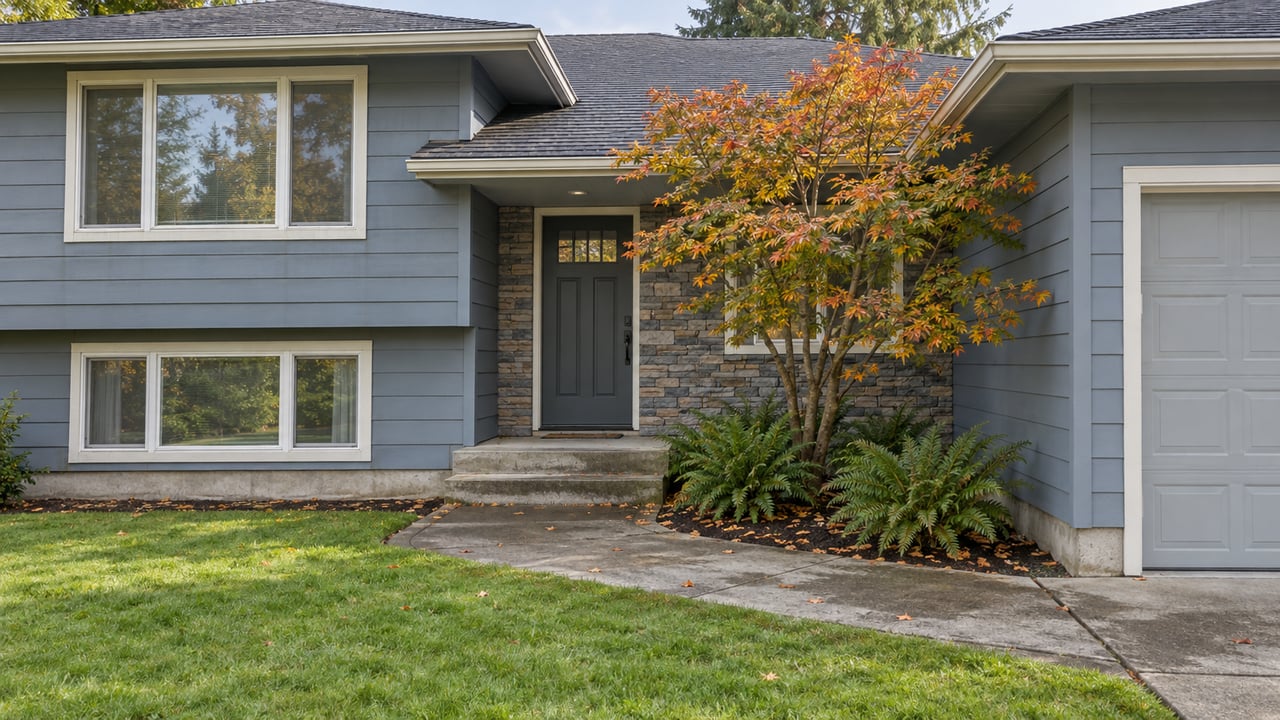
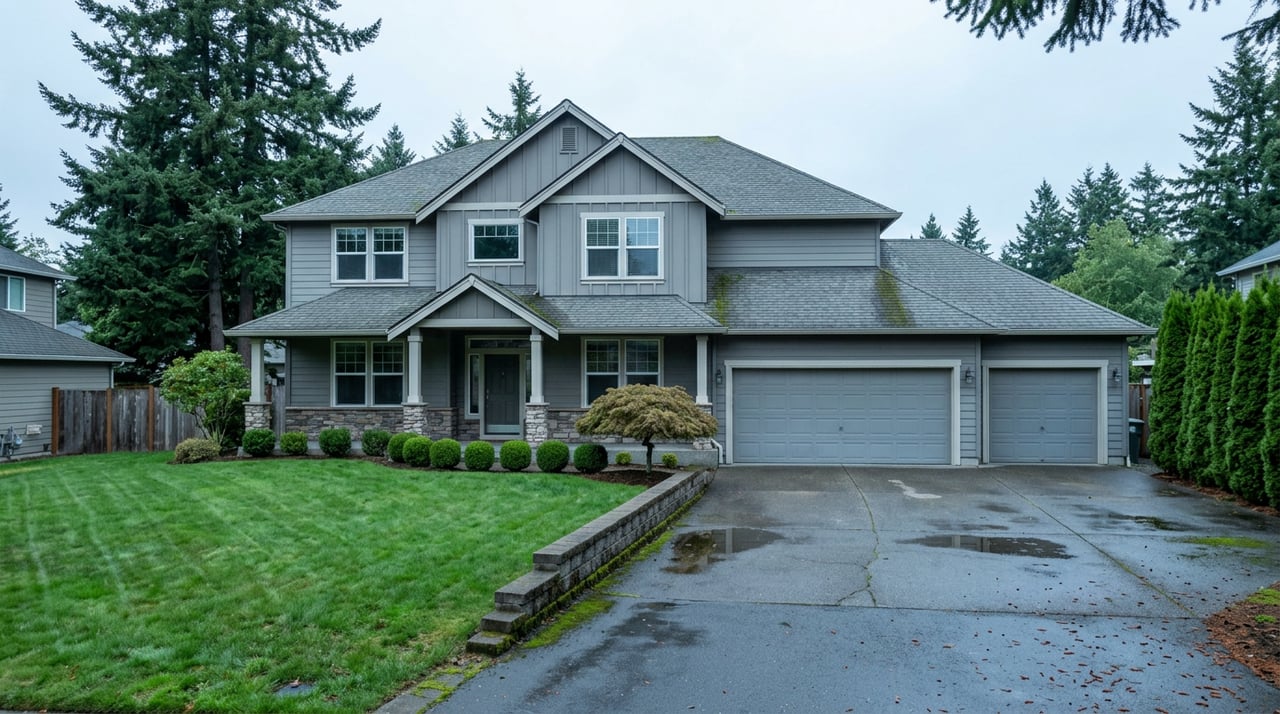
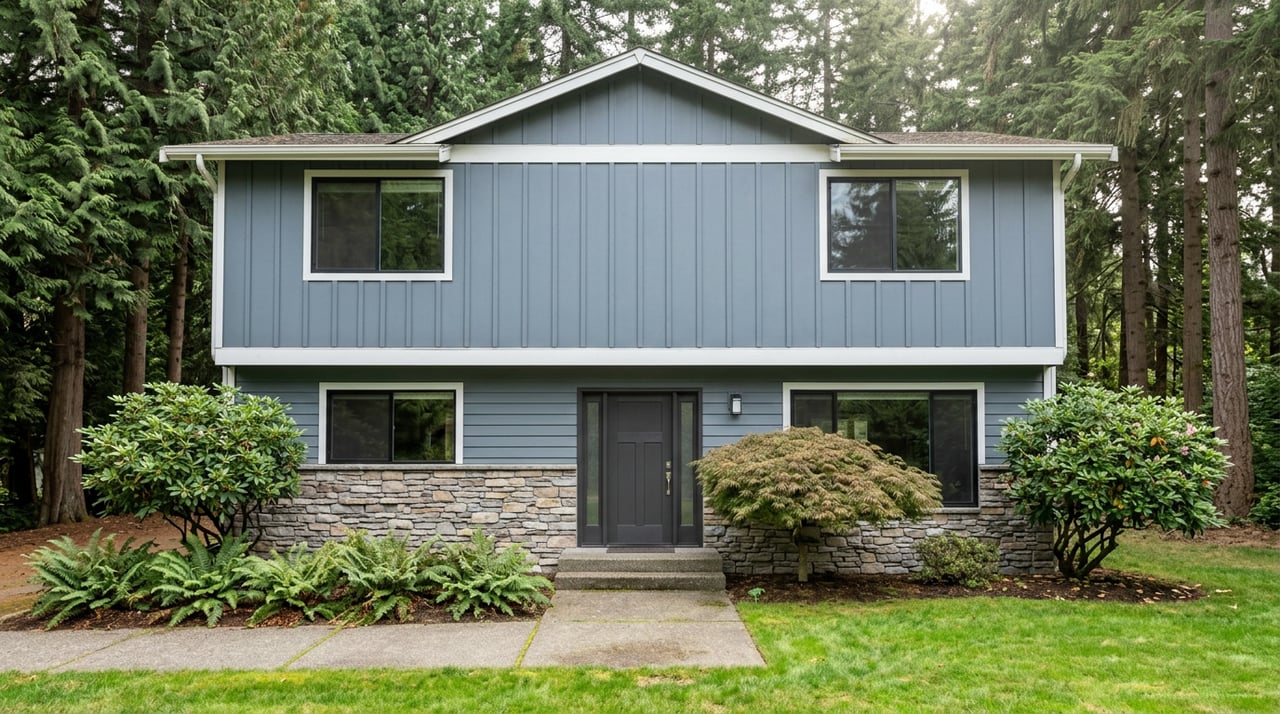
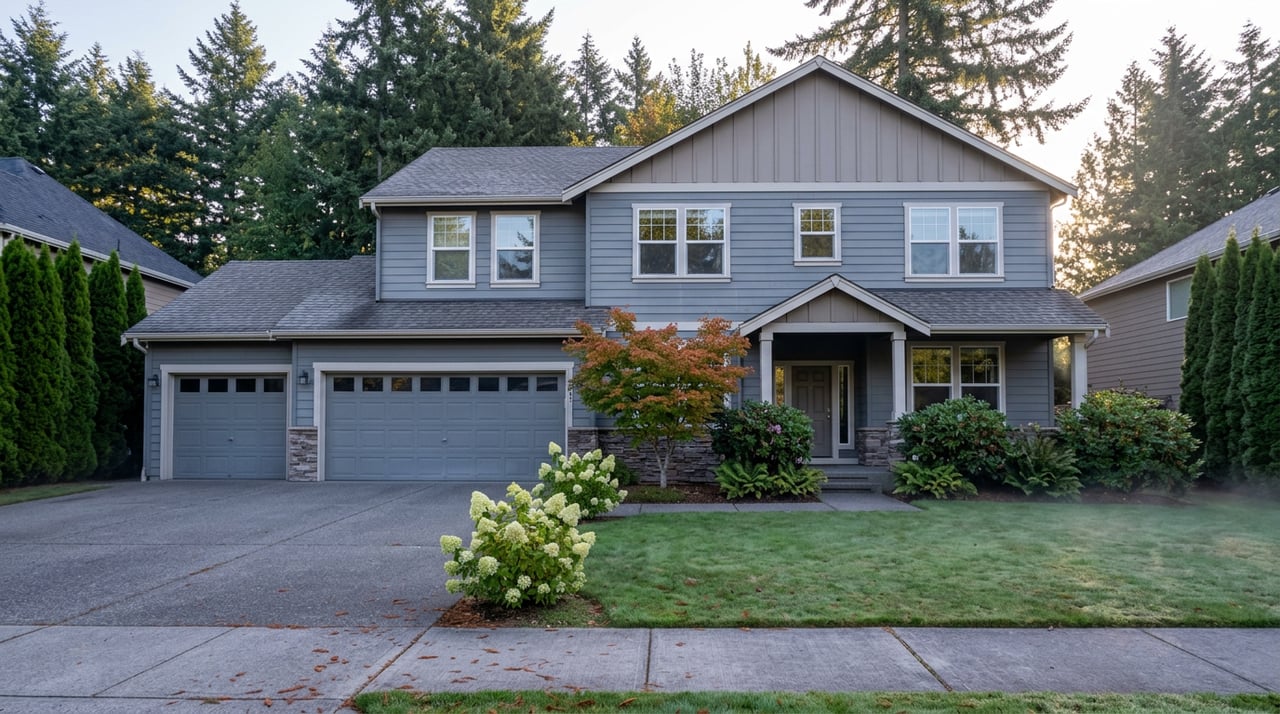
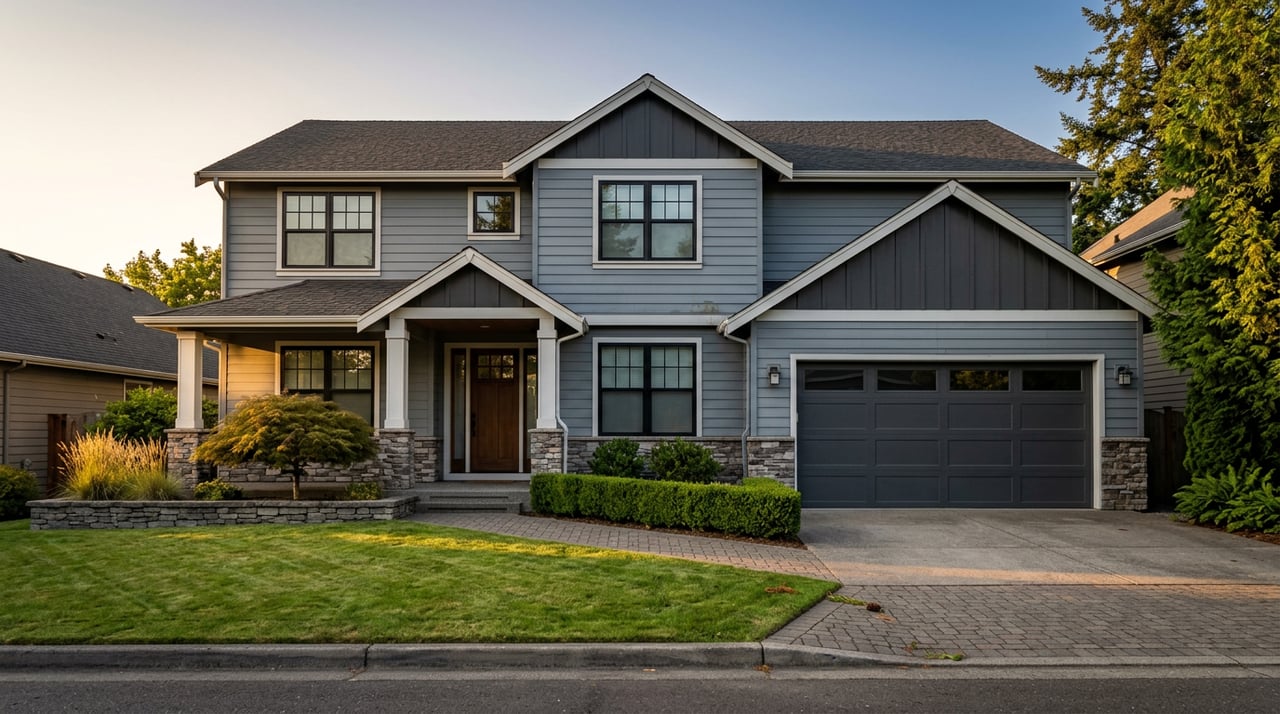
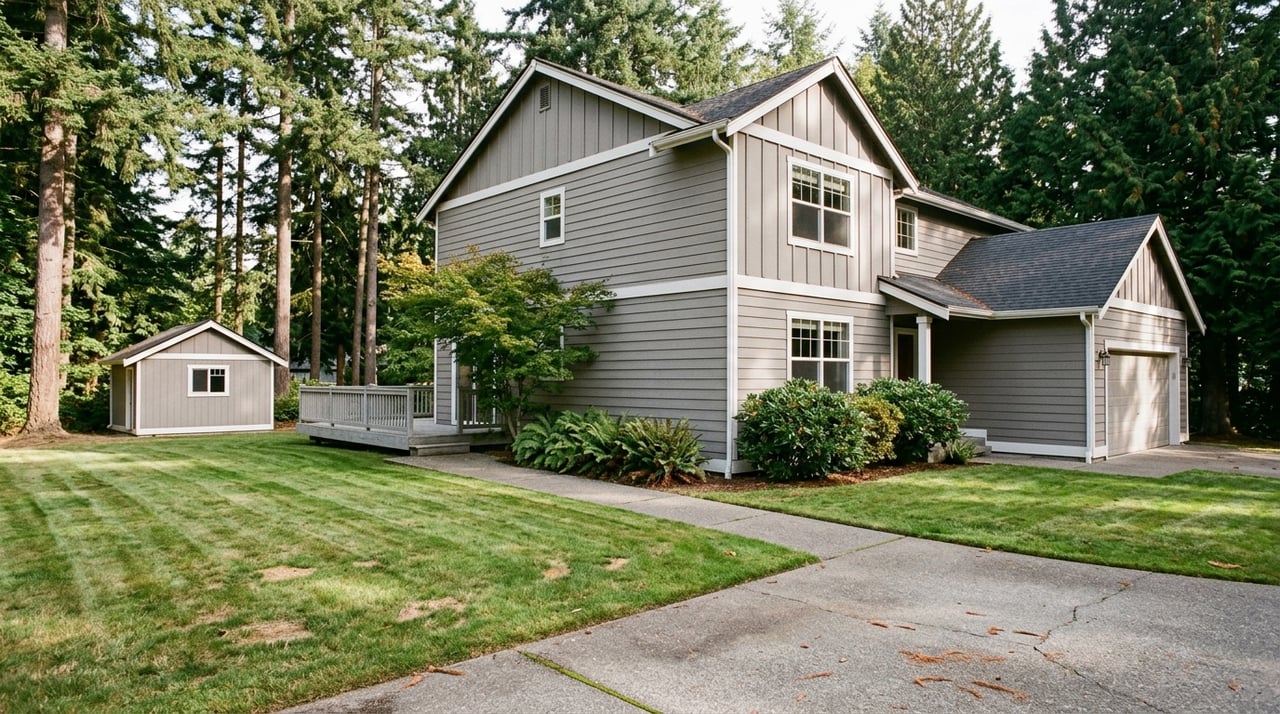
Single-family homes make up most of the market. You will find new-construction neighborhoods with 3 to 5 bedrooms, a smaller number of townhomes or attached units, and rural properties on acreage. Entry-level options are often older or smaller homes, while typical family-sized homes land in a middle band for Clark County. Larger new builds and acreage properties can reach higher price points.
Washington property taxes are assessed by the county. Clark County’s overall effective rate has historically been near or slightly below 1% of assessed value, but exact rates depend on local levies. Always confirm specifics with the Clark County Assessor before you buy. Factor in homeowners insurance and any HOA dues when comparing neighborhoods.
Parts of Ridgefield sit in the Columbia River floodplain. Before making an offer, check FEMA flood maps and Clark County GIS to see if a property is in a flood zone. Your lender may require flood insurance based on the zone and elevation. This is a common due diligence item for local buyers.
Newer neighborhoods usually connect to city water and sewer. Rural homes may use well and septic, which come with up-front testing and ongoing maintenance. For new construction, plan for typical builder premiums and city permit or tap fees. Ask for utility provider info and any special assessments early in your process.
Ridgefield is north of Vancouver and within reach of Portland job centers, but travel times vary a lot with traffic. Off-peak, many trips to Vancouver take under 30 to 40 minutes, while downtown Portland can take about 35 to 55 minutes. Peak commute hours often add 20 to 40 minutes or more, especially at the I-5 and I-205 river crossings. Use live traffic tools when you plan your day.
Public transit is available through C-Tran, though service is less frequent than in central Vancouver. Some riders drive to a park-and-ride or a larger hub to catch commuter routes, with connections available to Portland’s TriMet on certain trips. Local bike and walking paths make in-town movement easy, and regional trails support recreation.
The Ridgefield National Wildlife Refuge is a standout. It protects floodplain habitat and draws birdwatchers and families year-round, with big fall and winter migrations. You will find trails, observation areas, and an auto tour loop. In town and nearby, parks and river access support boating, fishing, and casual hikes. Seasonal visitor traffic can increase on weekends, which adds energy to local businesses.
Ridgefield’s downtown offers cafés, restaurants, and small shops that cover many day-to-day needs. For big-box retail and broader dining, most residents make short trips to nearby towns or into Vancouver. Clinics and urgent care options exist locally, but full-service hospitals and specialists are concentrated in Vancouver and the wider Portland metro area.
The Ridgefield School District serves the city. Families often review district websites and the Washington State Report Card for enrollment, programs, and performance data. Program fit and commute tradeoffs are common decision factors when choosing among Clark County communities.
Pros
Cons
You may like Ridgefield if you want newer single-family options, yard space, and a slower pace near major job markets. It also fits if you value easy access to nature and community events. If you need short, predictable commutes or frequent specialty medical visits close by, you will want to weigh those tradeoffs carefully.
If Ridgefield feels like a fit, your next move is a clear plan: confirm commute realities, shop neighborhoods that match your budget, and align your timeline with inventory trends. You do not have to do it alone. As a local agent who works across Washington and Oregon, I can help you balance pricing, inspections, flood considerations, and cross-border logistics. When you are ready, reach out to Jacob Sanchez for a local game plan that fits your goals.
Stay up to date on the latest real estate trends.
Get assistance in determining current property value, crafting a competitive offer, writing and negotiating a contract, and much more. Let me guide you through your home-buying journey.
JACOB SANCHEZ
ADDRESS 3706 NW 127TH ST VANCOUVER WA 98685